When we talk about improving access to primary care, the conversation usually focuses on one thing: helping patients find and stay connected to a family physician.
And for good reason.
Patients benefit from having a regular physician who knows their medical history, understands their health goals, and can provide care over time. Continuity of care is associated with better patient outcomes, improved satisfaction, and more efficient use of healthcare resources.
But there is a question we don't ask often enough:
What happens when that physician needs to be away?
Family physicians take vacations. They take parental leave. They attend conferences, pursue professional development, care for family members, recover from illness, and sometimes simply need time to rest and recharge.
A healthcare system that depends on physicians never stepping away is not a sustainable system.
That's where locum coverage comes in.
Locum physicians are often viewed as temporary replacements, filling gaps while a regular physician is away. But that framing misses the bigger picture. When organized well, locum coverage isn't the opposite of continuity, it is one of the ways continuity is preserved.
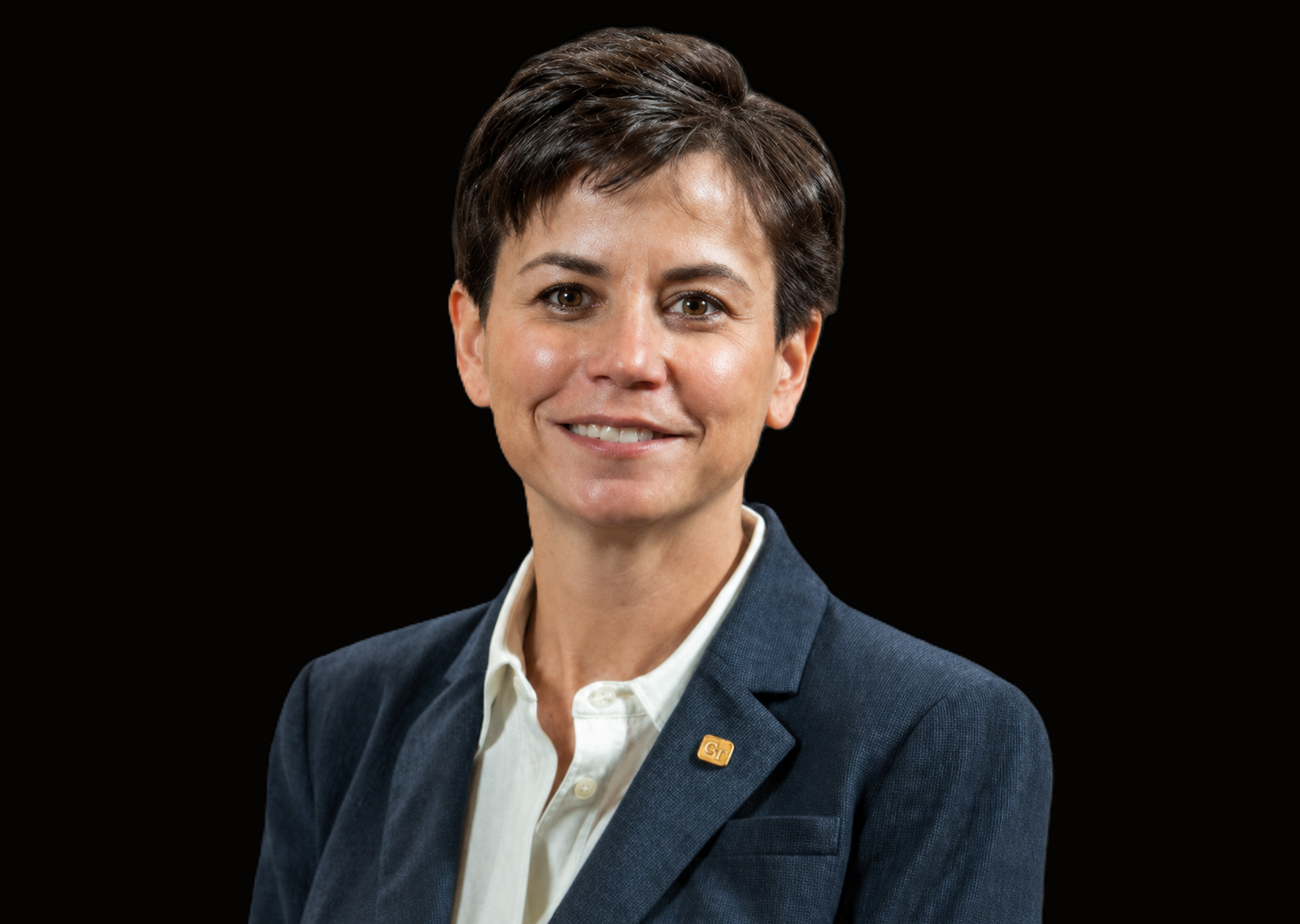
We spoke with Dr. Joyce Cheung, Chief Medical Officer of LOCVM, about why locum coverage matters, how it supports physician wellness, and why better coordination is becoming increasingly important for the future of family medicine.
Q: When people talk about continuity of care, they often think about seeing the same physician every time. Does locum coverage interrupt that continuity?
Dr.Cheung: Not at all. For many patients, continuity of care means having a trusted physician who understands their medical history and provides care over time. But continuity doesn't mean that physician needs to be available every day of the year.
In reality, continuity depends on having systems in place that allow care to continue when a physician is temporarily unavailable. Locum coverage isn’t the opposite of continuity, done well, it’s one of the ways we protect it.
A locum physician isn't replacing the relationship between a patient and their family doctor. Instead, they’re helping maintain access during a defined period of coverage so patients can remain connected to their medical home. The goal is not to fragment care, it’s to reduce disruption.
Q: What happens when a clinic can’t secure locum coverage?
Dr.Cheung: Without coverage, appointments may be delayed. Colleagues may absorb additional workload. Patients may seek care through walk-in clinics or emergency departments. Clinic staff may be left managing increased demand with fewer clinical resources available.
None of those outcomes improve continuity of care. Having reliable locum coverage helps ensure patients continue receiving care while allowing clinics to operate more smoothly during a physician's absence.
Q: Why is reliable locum coverage so critical to physician wellbeing?
Dr.Cheung: Burnout remains one of the most significant challenges facing family medicine today.
Administrative burden, increasing complexity, and workforce shortages all contribute, but one factor that doesn’t get enough attention is that many physicians feel they can't step away.
Taking a vacation shouldn't create anxiety about thousands of unread messages waiting upon return. Parental leave shouldn't mean worrying that patients will be left without care. Even taking a few days away shouldn't feel like an impossible logistical challenge.
Yet many physicians describe exactly those concerns.
Reliable locum coverage can help change that. Taking time away from medicine should not feel like abandoning your patients.
When physicians know their patients will continue to receive care, they’re much more likely to take the breaks they need. That benefits not only physician wellness but also supports the long-term sustainability of primary care.
We can’t expect physicians to provide lifelong comprehensive care if we don’t also support their ability to rest, recover, and attend to life outside medicine.
Q: Why does locum work appeal to so many early-career physicians?
Dr.Cheung: For many physicians, locum work serves as an important bridge between residency and long-term practice.
The transition to independent practice comes with significant decisions about clinic environment, patient, rural practice, team-based care, comprehensive family medicine, and focused practice. Locum work allows physicians to explore these questions while continuing to build clinical experience.
By working in different communities, using different EMRs, and collaborating with different healthcare teams, physicians gain confidence through experience. Locum work also helps physicians discover what they want in a future practice. And just as importantly, what they don’t. That flexibility is valuable for both physicians and the healthcare system.
Q: What makes for a successful locum coverage experience?
Dr.Cheung: Successful locum coverage involves much more than finding an available physician. Clear expectations around scheduling, compensation, patient volume, EMR access, clinic workflows, documentation requirements, prescription management, results follow-up, support staff, and ongoing patient care are essential.
Unfortunately, much of this coordination still happens through informal networks, text messages, email chains, spreadsheets, and word-of-mouth referrals.
While these networks can work, they are often inefficient and difficult to access for physicians who are new to practice, new to a region, or simply outside established professional circles.
The challenge is not just finding a locum, it’s coordinating a safe, clear, and workable coverage arrangement. The best locum experiences happen when expectations are established before the first patient is seen.
For clinics, that means being transparent about workflows, responsibilities, and practice logistics. For physicians, it means understanding exactly what they are stepping into. Better preparation leads to smoother coverage, fewer surprises, and less disruption for patients and clinic teams.
Q: What role can technology play in improving locum coverage?
Dr.Cheung: Technology can help improve locum coordination when it reflects the realities of clinical practice. The problem isn't simply matching available physicians with available shifts. It's about improving transparency, helping clinics communicate expectations clearly, and reducing the uncertainty that often exists on both sides of the arrangement.
Technology shouldn’t replace trust—it should make trust easier to build. Platforms like LOCVM are designed to help physicians and clinics connect more efficiently while supporting continuity of care. The broader goal isn't simply convenience... it's creating infrastructure that helps physicians take time away when they need it, while ensuring patients continue to receive care.
About Dr. Joyce Cheung
Dr. Joyce Cheung is the Chief Medical Officer of LOCVM, a physician-led platform focused on improving how physicians and clinics connect for locum coverage. Through her work with LOCVM, Dr. Cheung is interested in physician workforce sustainability, locum coordination, and the role of better infrastructure in supporting patients, clinics, and physicians across Canada.